Top 3 Therapeutic Fruits for Weak Eyesight, Cataract, Glaucoma & Retina Care (SCEH Guide)
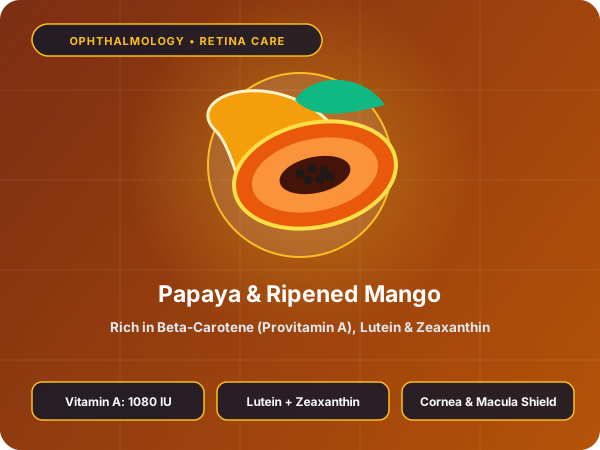 Medium GI (51–56)
🍓 Papaya & Ripened Mango
Loaded with Beta-Carotene (Vitamin A), lutein, and zeaxanthin that protect the retina and cornea from macular degeneration and night blindness.
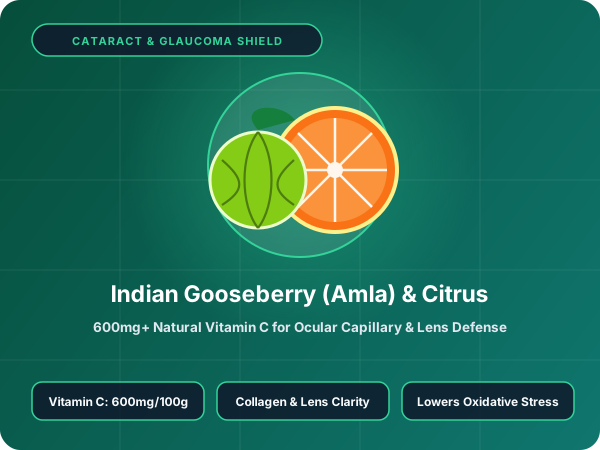 Very Low GI (15–40)
🍓 Indian Gooseberry (Amla) & Oranges
High Vitamin C strengthens ocular blood vessels, lowers intraocular oxidative stress, and slows age-related cataract progression.
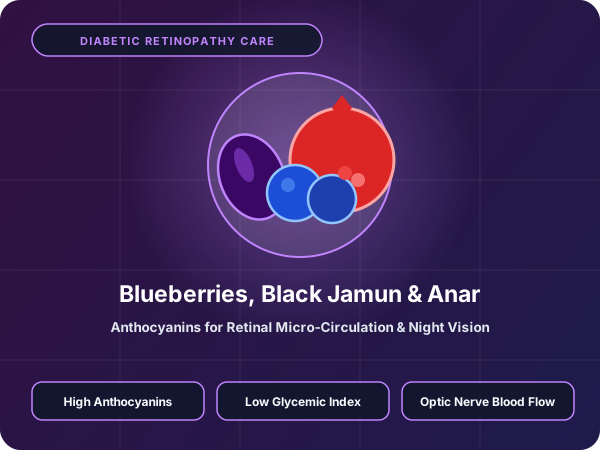 Low GI (25–53)
🍓 Blueberries, Black Jamun & Pomegranate
Anthocyanins improve retinal micro-circulation (vital for diabetic retinopathy), speed up dark adaptation, and relieve digital eye strain.
Full-Day Healing Meal Schedule for Weak Eyesight, Cataract, Glaucoma & Retina Care (SCEH Guide)
Ocular Antioxidant Wake-Up
🍽️ 1 fresh Amla shot in warm water + 5 soaked peeled Almonds & 2 Walnut halves
Clinical Role: Floods aqueous humor with Vitamin C and Vitamin E before daylight UV exposure.
Macular Carotenoid Breakfast
🍽️ 1 bowl (150g) Ripe Papaya + Vegetable Oats/Moong Dal Chilla with spinach
Clinical Role: Delivers Beta-Carotene, Lutein, and Zeaxanthin with healthy lipids for 3x retinal absorption.
Capillary Bioflavonoid Snack
🍽️ 1 whole Orange or Mosambi (with white pith) + 1 tsp roasted pumpkin seeds
Clinical Role: Strengthens retinal capillaries and provides Zinc to transport Vitamin A to the retina.
Lutein & Omega-3 Balanced Meal
🍽️ 2 Multigrain Rotis + Palak/Methi Dal + Carrot-Beetroot Kachumber Salad + Curd with 1 tsp ground Flaxseeds
Clinical Role: High macular lutein density + Omega-3 tear film stabilization against dry eyes.
Anthocyanin Vision Refresh
🍽️ 1 cup Pomegranate arils / Black Jamun / Blueberries + Green or Chamomile Tea
Clinical Role: Relieves ciliary muscle digital eye strain and boosts retinal blood flow.
Low-Glycemic Recovery Dinner
🍽️ Vegetable Daliya / Grilled Paneer or Fish + Lightly steamed Broccoli & Bell Peppers
Clinical Role: Prevents nocturnal glucose spikes and supports overnight corneal epithelial repair.
✅ Daily Healing Superfoods to Include
Spinach delivers 12,000+ mcg of Lutein & Zeaxanthin per 100g—the highest of any food—while carrots supply Beta-Carotene.
Traditional Ayurvedic optic nerve tonic rich in Vitamin E (alpha-tocopherol), riboflavin, and cooling essential oils.
Plant-based Omega-3 (ALA) fortifies the lipid layer of the tear film, preventing evaporative dry eyes and Meibomian gland dysfunction.
Glaucoma ('silent thief of sight') and early Diabetic Retinopathy have zero early symptoms until detected via OCT and fundus exam.
⚠️ Foods & Habits to Strictly Avoid
Clinical Risk: Spikes HbA1c, causing osmotic lens swelling (myopic shift), premature cataract, and proliferative diabetic retinopathy.
Clinical Risk: Doubles the risk of Nuclear Cataract and increases Age-Related Macular Degeneration (AMD) risk by 400%.
Clinical Risk: Clogs choroidal micro-vessels and worsens Meibomian gland blockage in chronic dry eye patients.
Frequently Asked Questions
While fruits cannot alter the axial length of the eyeball once refractive error (myopia/hyperopia) is established, a diet rich in Vitamin A, Lutein, Zeaxanthin, and Vitamin C prevents further retinal weakening, eliminates accommodative eye strain (pseudo-myopia), protects against dry eyes, and slows cataract and macular degeneration by 25–35%.
Patients with Diabetic Retinopathy should choose low-glycemic, anthocyanin- and Vitamin C-rich fruits: Indian Gooseberry (Amla), Black Jamun, Guava, Blueberries, Pomegranate (1 small cup), and Orange segments, while avoiding fruit juices, canned fruits, and overripe bananas.
Leading Ophthalmology Doctors in Delhi-NCR